Waves, not transfers
Four hundred people across nine flights and one afternoon
Multiple greeters, staged vehicles, luggage vans and a manifest — arrival and departure waves run as a single orchestrated programme.
Available on requestTell us the shape of the programme and we will price it.
Part of Convention & Event Movements · all services
What this service handles
An arrival wave is the hardest thing a ground operation does. Flights land across hours rather than minutes, several are late, the terminal has a finite kerb, and the hotel can only absorb so many vehicles at once.
Running it as a programme means the whole wave is one picture: greeters positioned per terminal, vehicles staged rather than all dispatched, luggage moving on its own vans ahead of the passengers, and the manifest reconciling who has actually arrived against who was expected.
Departure waves are the same problem compressed into a shorter window, with check-out times and flight cutoffs instead of arrivals — and they are where most programmes come unstuck.
Typical movement
- Manifest and flight list Everyone mapped to an arrival
- Greeters positioned Per terminal, across the wave
- Vehicles staged, not all dispatched Kerb capacity is the constraint
- Luggage vans ahead of the passengers Hotel staged before the coaches land
- Reconciled against the manifest Who arrived, who has not
Who uses this service
- Convention and congress organisers
- Incentive travel programmes
- Large corporate meetings
- Sports and delegation groups
- DMCs and event agencies
- Hotels receiving large blocks
How VaultPac coordinates it
Every booking is a trip. A trip carries trip services, and each service breaks into the individual movements that actually have to happen — which is why the people and the bags do not have to travel the same way.
- Trip
- Trip services
- Individual movements
-
Group manifest
Send the passenger and bag list you already have. It is read into the trip instead of being retyped into a form.
-
Trip → Trip Services → Movements
One trip holds every service on it, and each service breaks into the individual movements that have to happen. A single booking can carry people and bags on different vehicles and different clocks without becoming two bookings.
-
Multiple vehicles
Several vehicles on one itinerary, each with its own assignment, timing and passenger list.
-
Meet & greet
A greeter recorded on the movement itself, so dispatch knows the handoff is staffed and not assumed.
-
Separate cargo vehicle
A dedicated vehicle for bags, cases or equipment running alongside the passenger vehicles rather than inside them.
-
Dispatch monitoring
Every movement on one board while it runs, so a late arrival is seen rather than reported.
-
Changes during the trip
Times, stops, vehicles and passenger counts can change after a trip has started without rebooking it.
-
Operator assignment
Movements assigned to a specific operator and vehicle, with the assignment visible to dispatch throughout.
-
Luggage movement
Bags booked as their own movement, with their own route, their own timing and their own proof.
What runs this movement
Assignment reads the passenger count and the bag count, so the vehicle that arrives fits both. Larger movements run several.
-
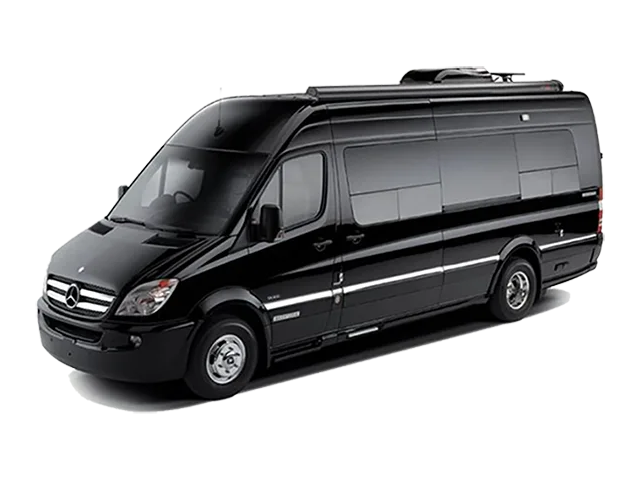 Sprinter
-
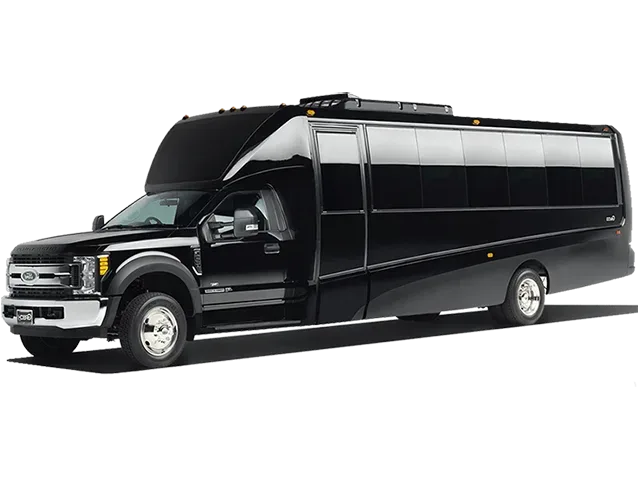 Minibus
-
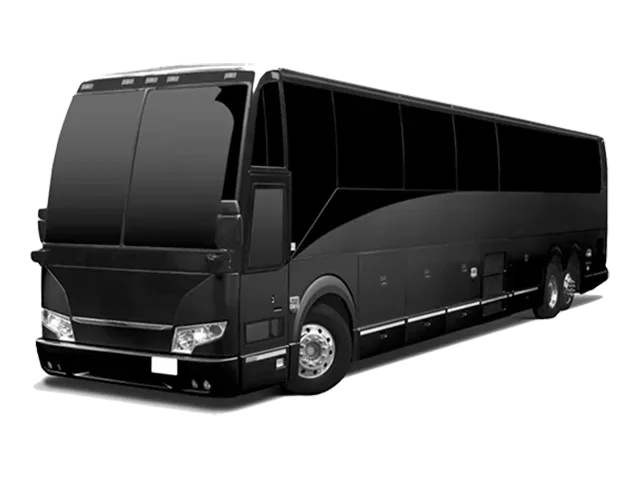 Motorcoach
-
 Cargo vehicle
Why VaultPac for this
- The wave is one programme with one reconciliation, not forty transfers.
- Vehicles are staged against kerb capacity rather than all sent at once.
- Luggage vans run ahead so the hotel is not receiving people and bags simultaneously.
- The manifest tells you who has actually landed while the wave is still running.
Questions
How far in advance do you need the manifest?
Earlier is better, but changes are expected — the manifest is a living list on the trip rather than a fixed document, and late additions are edits rather than new bookings.
What happens when a flight is three hours late?
Its movement re-times and the rest of the wave carries on. That is the reason to run it as one programme rather than as individual transfers.
Next step
Plan arrival & departure programmes with us
Tell us the shape of the movement — dates, numbers, where it starts and where it has to end. We come back with an operating plan and a price, not a form letter.